
 37 views
How mental health affects overall wellbeing
Mental health impacts every area of life like work productivity, academic performance, family dynamics, and romantic relationships. Learn how poor mental health affects wellbeing and why seeking support is essential for success and happiness.

Saima Islam
Assistant Clinical Psychologist
 4.95
4.95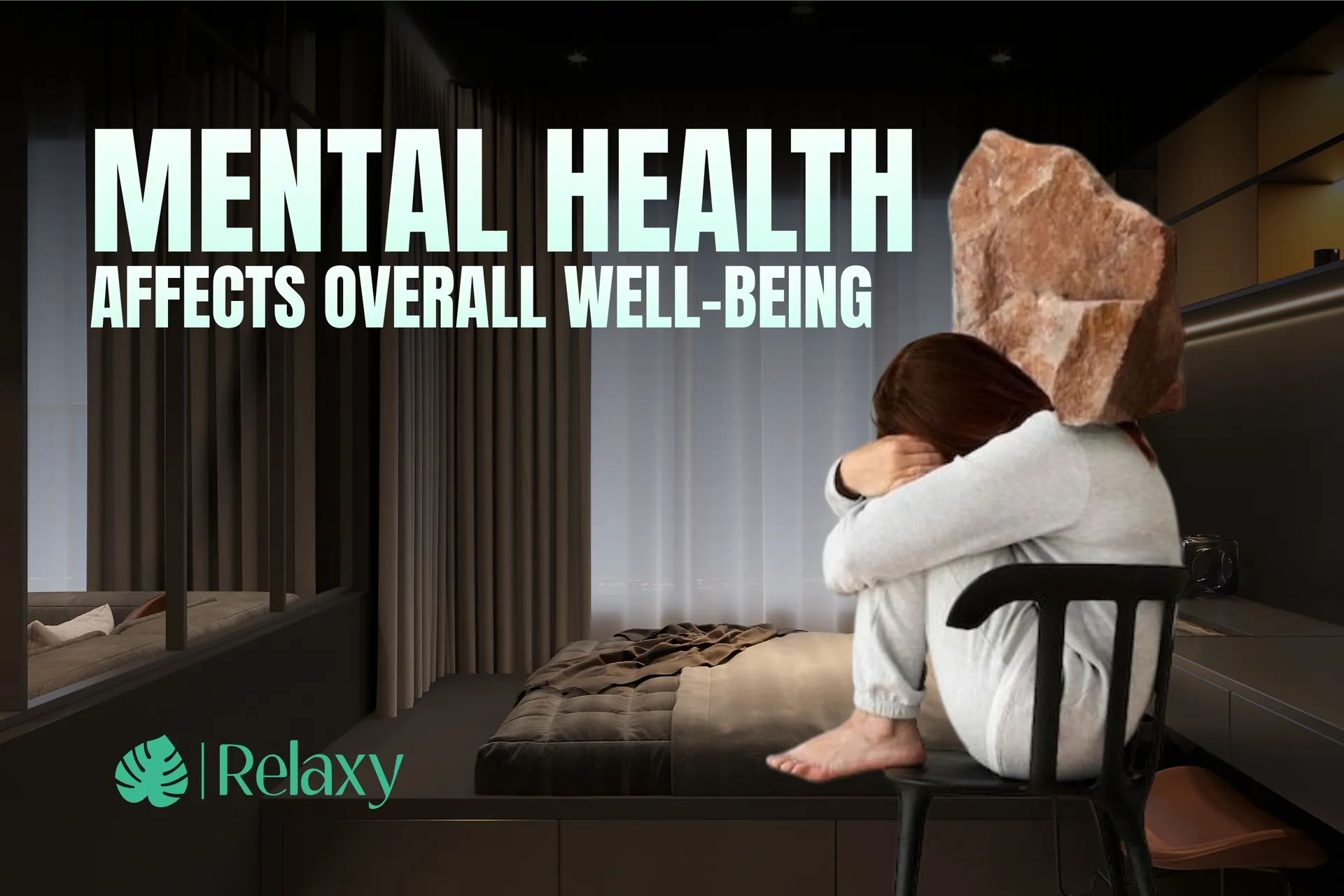
Key Takeaways
Good health is a holistic state that extends beyond physical fitness to include your ability to bounce back from adversity and maintain healthy relationships. When mental well-being is neglected, it directly compromises productivity and cognitive function at work. It is also serving as a leading cause of academic dropout. Furthermore, mental health challenges can create a ripple effect of stress that impacts the entire family's stability. In romantic partnerships, open communication about mental health is essential to overcoming barriers to intimacy and preventing social withdrawal. Ultimately, prioritizing your psychological well-being is not just a personal matter, but a foundational requirement for success in every area of life.
Affects of neglecting mental health
If we neglect psychological well-being, the impact can be seen through our careers, academic success, and most intimate relationships. Let's explore why nurturing our minds is the foundational key to shining in every aspect of life.
Mental health affects our work-life
Any mental health discomfort will decline productivity, disrupt our focus, and create misunderstanding and conflict among the colleagues. Poor mental health makes it difficult to keep motivated, reduces cognitive functioning, and leads to bad decision-making. Most importantly, your job performance suffers, leading to job insecurity.
How mental health affects our academics:
Positive mental health and academic success come hand in hand. Strong mental health improves resilience that positively impacts on academic performance. On the other hand, if your mental health remains unchecked, you may face trouble sleeping, concentrating on one thing, ruminating about future events, exam stress, and frequent panic attacks. The National Academy of Mental Health surveyed 765 college students across the U.S. to examine the links between mental health and academic achievement. They found that 64% of students who dropped out, dropped out because of a mental health problem (NAMI, 2014). Academics are all about mind games. The more you train your mind, the better you will perform.
How mental health affects family relationships:
When a family member has a mental illness, it affects the overall well-being of the whole family. If you observe one of your family members being late at work continuously, missing school, lying in bed all day long, it is time to seek help . There is no need to go alone. There are people and places to turn to. According to PRIORY , 80% of the mental health patients agreed that their mental health conditions have had detrimental effects on their families.
How mental health affects our romantic relationships:
A reliable and safe romantic partner is a source of support and comfort. Sometimes we often stigmatize our own mental illness to our partner for a fear of pushing them away. Mental health conditions often affect intimacy, and certain medicines lower one’s libido. It may cause social withdrawal, lack of communication, lethargy, and lack of empathy. So, keeping each other informed about their mental health condition is an act of care and support.
Taking care of your mind isn't just a personal choice; it’s the foundation for booming in everything you do.
This article is for general education and is not a diagnosis or a substitute for individual medical advice.
Last updated: October 8, 2026
Did you find this article helpful?
Saima Islam
Assistant Clinical Psychologist
4.95Warm and empathetic psychologist specializing in CBT and DBT for depression, anxiety, trauma, and relationship challenges
