
 48 views
How to deal with loneliness
Feeling lonely? Learn to recognize the signs: materialism, social media dependence, eating or sleeping problems. Discover practical ways to overcome loneliness through meditation, self-reflection, hobbies, learning, and building connections.

Mohammad Abdullah
Assistant Clinical Psychologist
 4.92
4.92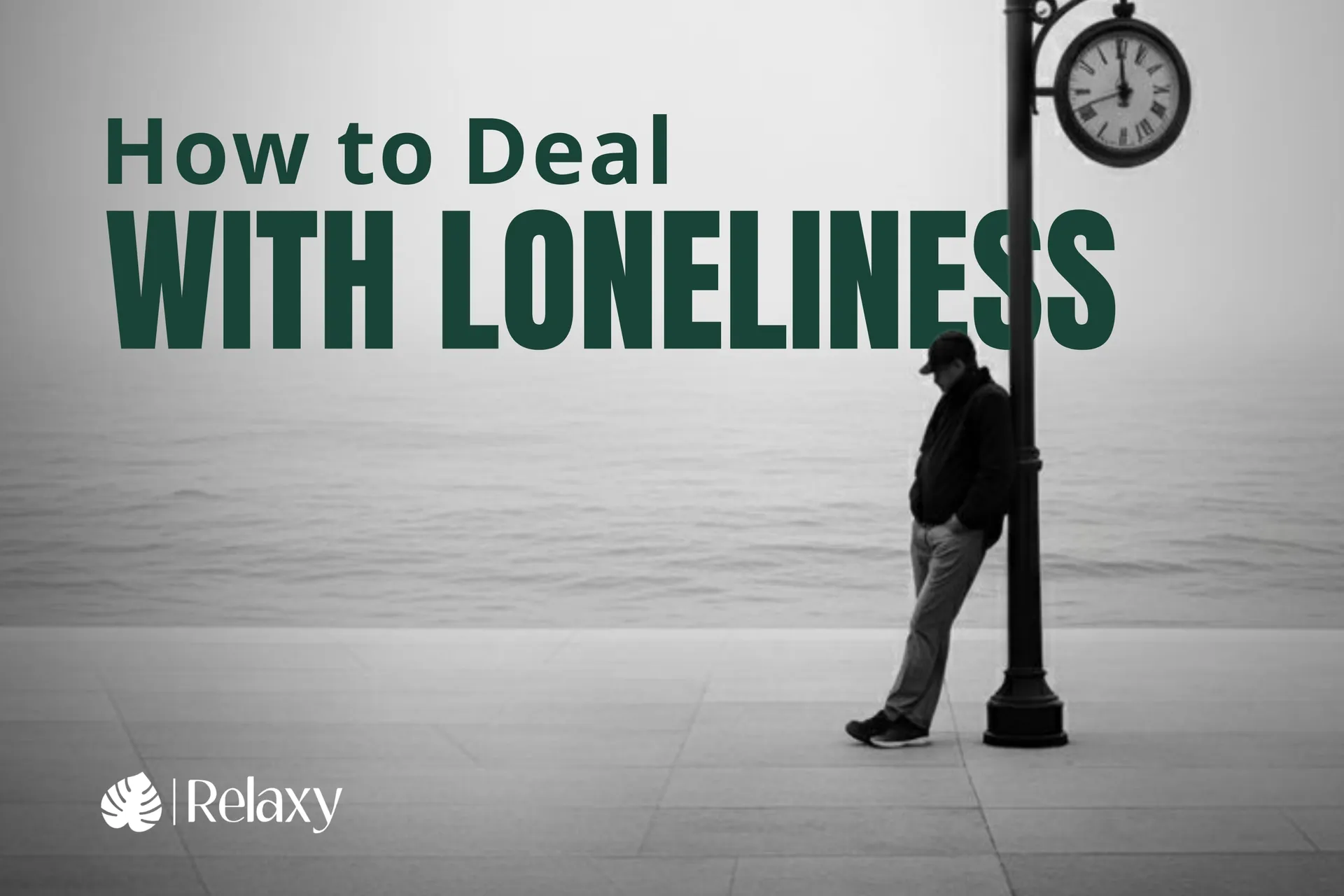
Key Takeaways
While intentional solitude offers a peaceful space to recharge, unaddressed loneliness can quietly alter your daily habits and behavior. Common warning signs include using retail therapy to fill an emotional void, falling into cycles of mindless social media scrolling that leave you feeling emptier, and experiencing sudden changes in your sleep patterns or appetite. Overcoming this heaviness requires shifting your focus inward, practicing mindfulness, transitioning loneliness into peaceful solitude through meditation, and investing in personal hobbies or self-help content. By taking small, gentle steps toward genuine human connection and self-reflection, you can systematically break the cycle of isolation and rebuild a meaningful relationship with yourself and the world around you.
Transforming Loneliness: 3 Warning Signs and How to Find Growth in Solitude
There is a profound difference between being alone and feeling lonely. Sometimes, solitude feels deeply peaceful, it is just you, content and enjoying your own company. However, when loneliness creeps in, it can skew your perspective, making you feel entirely isolated from the rest of the world.
Recognizing emotional isolation early is the first step toward reclaiming your peace of mind. If you have been feeling disconnected lately, understanding the subtle signs of loneliness can help you shift your energy from isolation to personal growth.
3 Hidden Signs You Might Be Dealing with Loneliness
Loneliness does not always manifest as sitting in a dark room alone; often, it hides behind modern daily habits. Watch out for these three physical and behavioral red flags:
1. Seeking Comfort in "Things" (Compulsive Buying)
If you find yourself constantly adding items to your online shopping cart or buying new gadgets and clothes to fill an emotional void, you might be practicing retail therapy to compensate for a lack of genuine human connection. While a new purchase offers a temporary dopamine high, material possessions cannot satisfy the underlying human need for companionship.
2. Using Social Media as an Emotional Shield
Do you find yourself mindlessly scrolling through your feeds just to hear background noise or feel connected to the outside world? Many people use social media as a coping mechanism because it provides a superficial taste of companionship without the vulnerability or effort of a real conversation. If your screen time leaves you feeling emptier than before, it is a clear sign of emotional isolation.
3. Sudden Changes in Sleep or Appetite
Loneliness and depression frequently share identical physical symptoms. Whether you find yourself oversleeping to avoid facing the day, struggling with insomnia, overeating for comfort, or experiencing a total loss of appetite, your body is likely reacting to the stress of emotional isolation.
How to Turn Loneliness Into Personal Growth
If you recognize these warning signs in your daily life, you do not have to stay stuck in survival mode. You can actively transition from a state of painful loneliness to one of empowering solitude using these actionable strategies:
Turn Inward with Self-Check-Ins: Instead of running from the discomfort or masking it with distractions, sit quietly with your thoughts. Ask yourself, "What am I actually feeling right now?" Grounding your emotions in the present moment helps you understand your psychological needs rather than just reacting to them.
Practice Short Daily Meditations: Use mindfulness and meditation to rewrite your relationship with quietness. Meditation helps you transition from "loneliness" (which feels like a painful lack of people) to "solitude" (which feels like a joyful, calm appreciation of your own company).
Feed Your Mind with New Knowledge: Pick up a book, learn a new skill, or engage with self-help content that challenges your current perspective. Chasing a new hobby or creative outlet can provide the mental spark needed to break old, stagnant routines.
Stay Open to Gentle Connections: You do not need a massive social circle to defeat isolation. Start small by engaging in brief, real conversations with a neighbor, or keeping an open, positive mindset when meeting someone new. Small, kind interactions are incredibly effective at breaking the cycle of isolation.
Prioritize Your Mental Health
If the emotional heaviness lingers and feels too overwhelming to handle on your own, remember that seeking professional guidance is a sign of self-awareness and strength. Deep emotional struggles do not have to be carried alone.
Talking to a compassionate counselor can give you the personalized coping strategies, emotional toolkits, and support you need to feel grounded again.
Relaxy is here to walk alongside you. Our expert panel of licensed psychologists provides a safe, confidential, and completely judgment-free space to help you navigate isolation, process your feelings, and rebuild your emotional well-being.
Book your session with a Relaxy Expert today and take your first step toward healing and a more connected life.
This article is for general education and is not a diagnosis or a substitute for individual medical advice.
Last updated: October 8, 2026
Did you find this article helpful?
Mohammad Abdullah
Assistant Clinical Psychologist
4.92Mohammad Abdullah is an assistant Clinical Psychologist with a warm, grounded presence and a strong commitment to compassionate mental health care for adults. With growing expertise in CBT, person-centered approaches, and culturally sensitive practice, he helps individuals understand their emotions in simple, relatable language. His work blends clinical skill with empathy, creating a safe, supportive space where adults feel understood and gently guided toward healing.
